
Health Impact of Shinrin-Yoku (Forest Bathing)
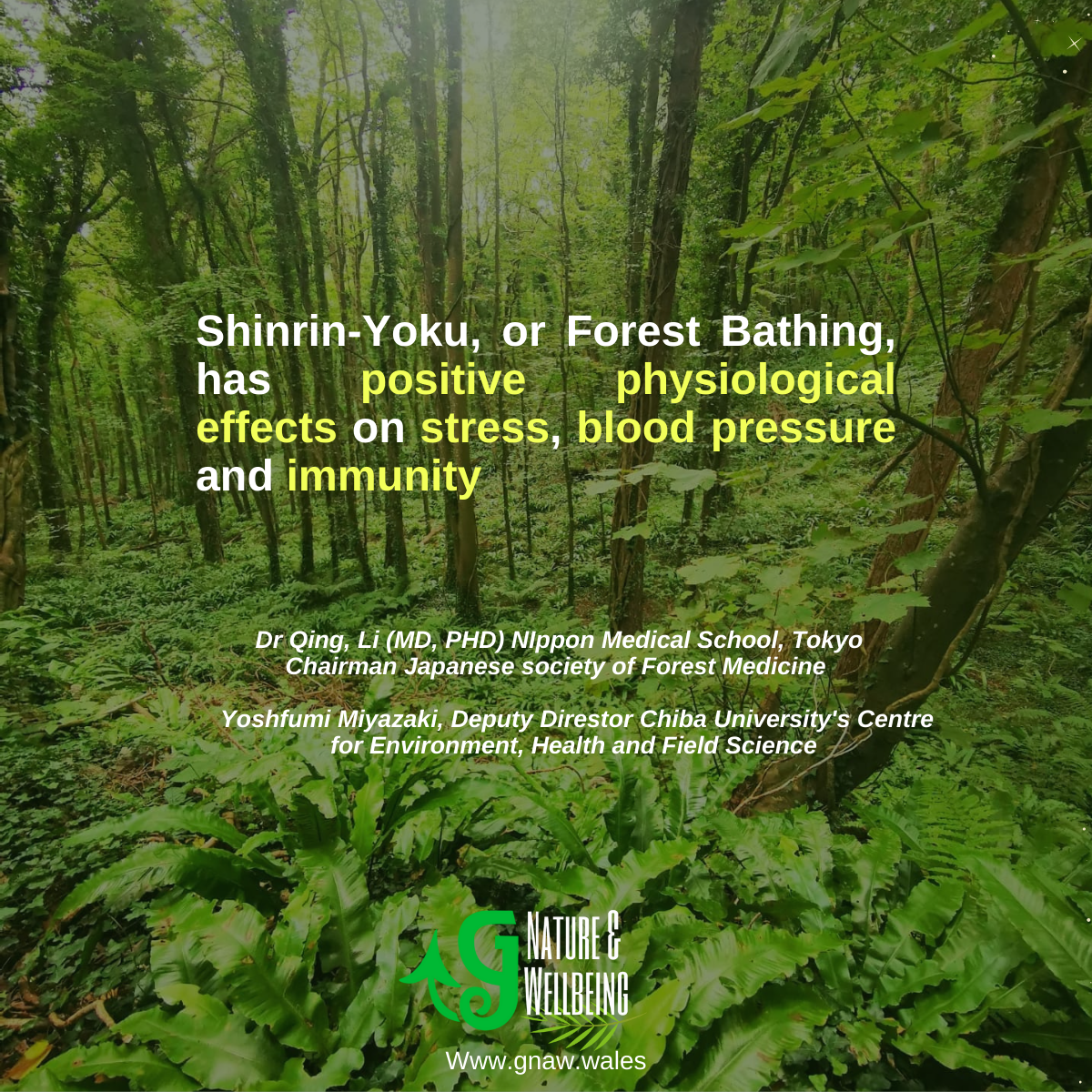
Shinrin-Yoku, or Forest Bathing, is ingrained into Japan’s healthcare system as a preventative measure to wellbeing.
1 in 4 people in Japan have experienced Shinrin-Yoku or Forest Bathing, and 2.5 to 5 million people regularly practice it.
The swell of scientific data is very compelling
Japan has been at the forefront of research into Shinrin-Yoku (Forest Bathing) for several decades.
Studies comparing forest environments with urban settings have reported:
🌳 Lower blood pressure
🌳 Reduced heart rate
🌳 Lower cortisol levels
🌳 Reduced sympathetic nervous system activity
🌳 Increased parasympathetic activity, associated with rest and recovery
🌳 Improvements in mood, tension and anxiety
These findings suggest that Forest Bathing doesn’t simply provide an opportunity to relax.
Spending time immersed in a forest environment can produce measurable changes in the body’s physiological stress response.
Japanese research has played an important role in developing the evidence base for Shinrin-Yoku and understanding how our bodies respond to spending time amongst trees.
Hansen MM, Jones R, Tocchini K. (2017)
Shinrin-Yoku (Forest Bathing) and Nature Therapy: A State-of-the-Art Review.
International Journal of Environmental Research and Public Health, 14(8), 851.
There has been a fair bit of media coverage about Forest Bathing in the UK as it’s awareness increases it begins to gain popularity.
Some say it’s the new Yoga!
Other Reported Health Benefits from Japan
Research from Japan has explored a much wider range of potential benefits associated with Shinrin-Yoku (Forest Bathing).
Studies have reported:
🌳 Reduced tension and anxiety
🌳 Reduced feelings of anger and fatigue
🌳 Improved mood
🌳 Improved sleep following forest-based programmes
🌳 Increased feelings of vigour
🌳 Reduced negative mood states
Together, the research suggests that the benefits of spending time immersed in forests may extend beyond our immediate physiological stress response, influencing mood, psychological wellbeing and sleep.
Hansen MM, Jones R, Tocchini K. (2017)
Shinrin-Yoku (Forest Bathing) and Nature Therapy: A State-of-the-Art Review.
International Journal of Environmental Research and Public Health, 14(8), 851.
Forest Bathing, Stress & Cardiovascular Health
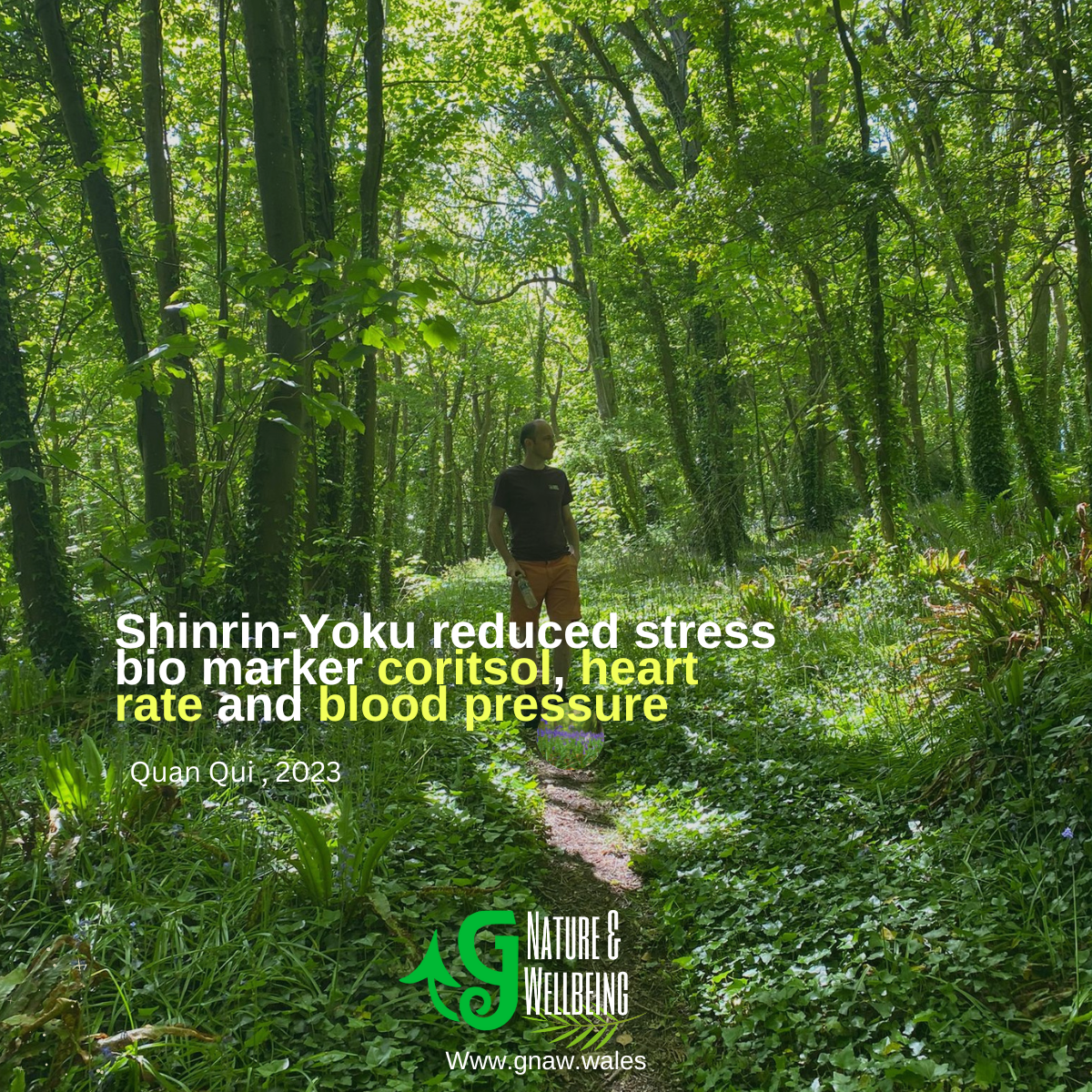
Quan Qiu and colleagues reviewed research examining the physiological effects of Shinrin-Yoku (Forest Bathing).
The evidence showed Forest Bathing was associated with:
🌳 Reduced cortisol, a key stress biomarker
🌳 Lower heart rate
🌳 Reduced blood pressure
🌳 Changes consistent with reduced physiological stress
The review concluded that forest bathing shows measurable benefits across several markers associated with the body’s stress and cardiovascular responses.
Qiu Q et al. (2023)
The effect of forest bathing on physiological and psychological responses in adults.
UK Forest Bathing Research – Exeter University
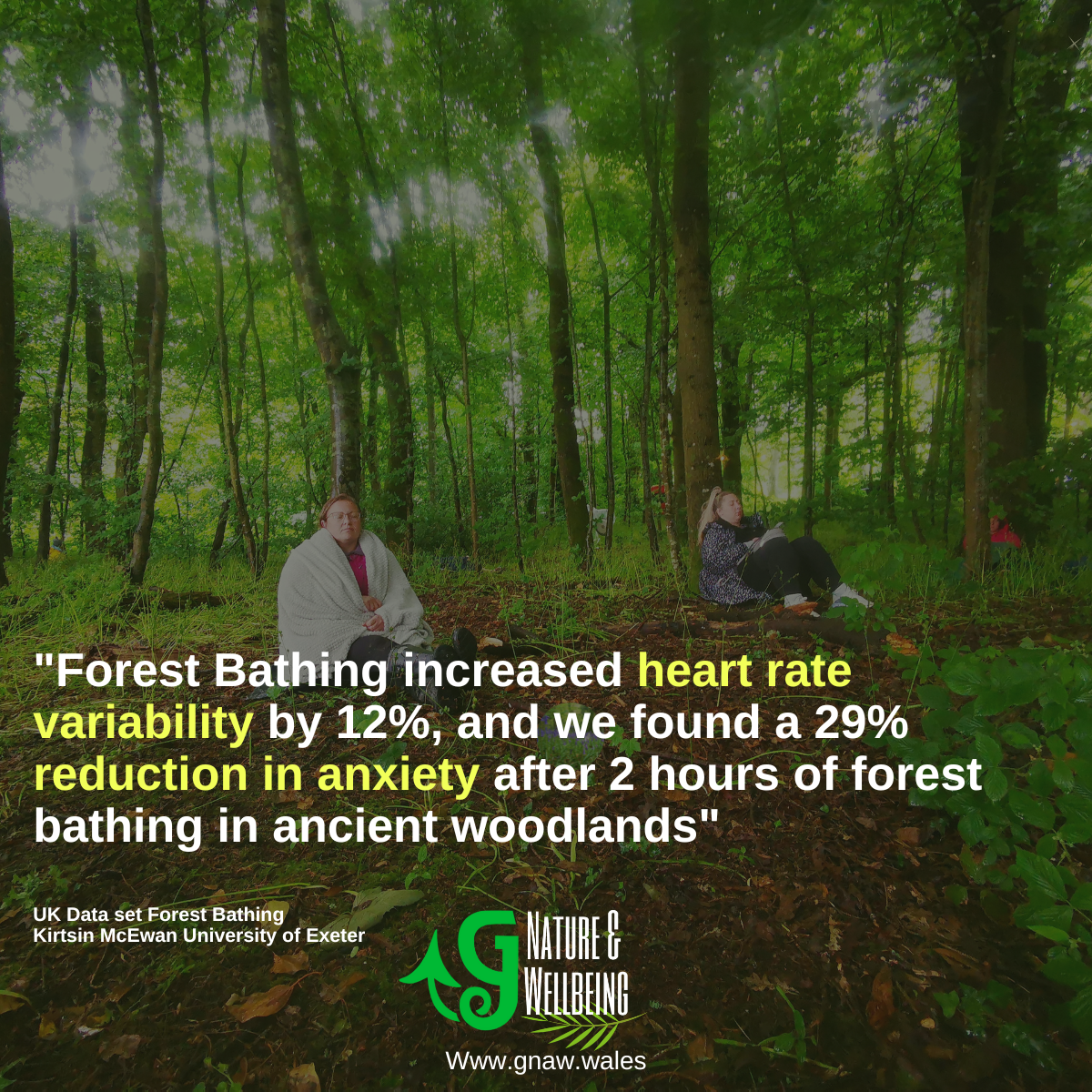
Research led by Dr Kirsten McEwan examined the effects of a 2-hour Forest Bathing session in ancient woodland.
The study found:
🌳 29% reduction in anxiety
🌳 12% increase in heart rate variability (HRV)
🌳 Improvements in mood and rumination
🌳 Increased connection to nature
“The findings of this study led to forest bathing being supported by the government as a Social Prescription in Surrey, so you can go to a doctor in Surrey and they can prescribe forest bathin”
Kristin McEwan, Associate Professor of Health and Wellbeing
McEwan K et al.
University of Derby / University of Exeter-associated Forest Bathing research
Impact of Shinrin-Yoku on Mental Health
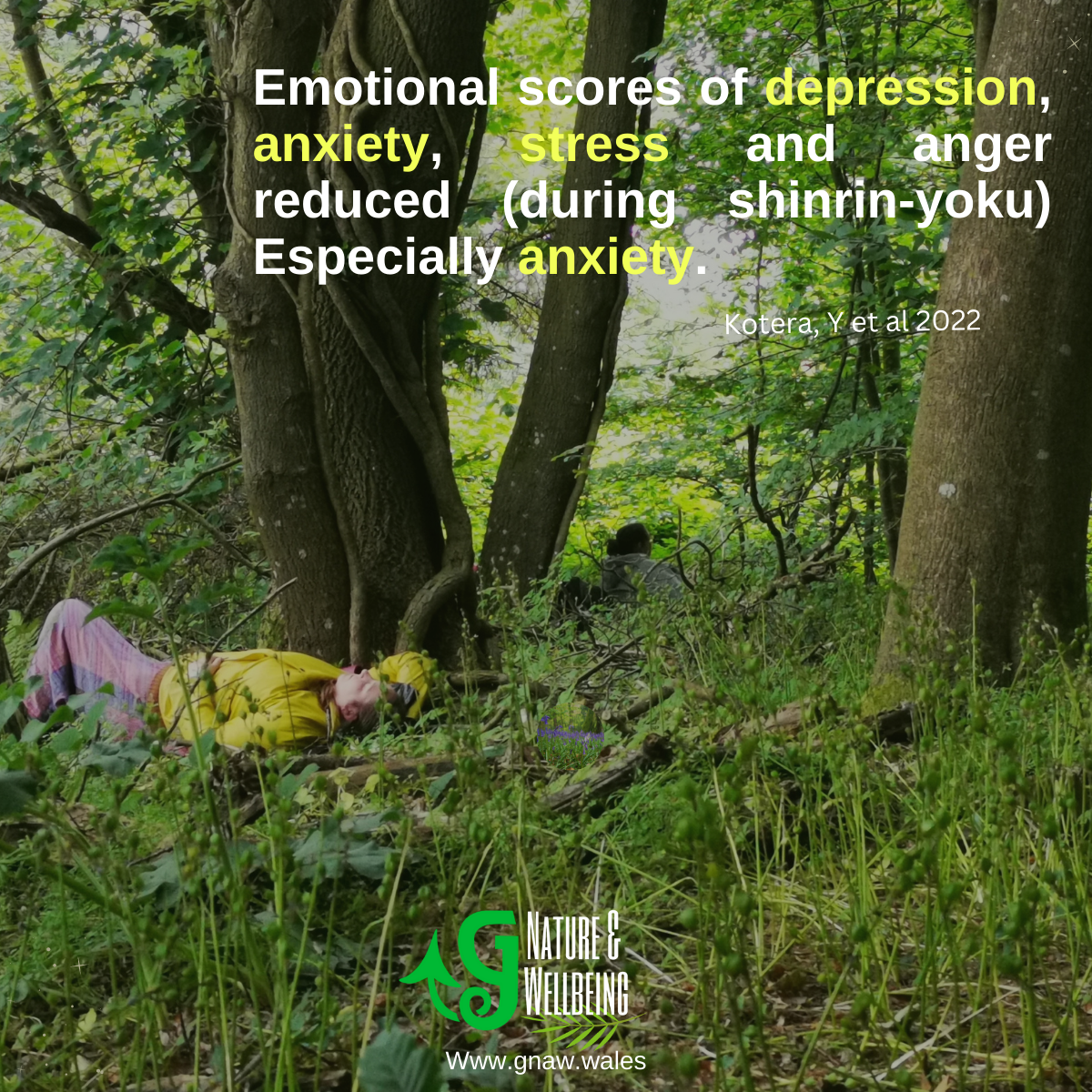
A 2022 systematic review and meta-analysis examined the impact of Shinrin-Yoku on mental health, bringing together research involving 2,257 participants.
Forest Bathing was associated with reductions in:
🌳 Anxiety
🌳 Depression
🌳 Stress
🌳 Anger
Anxiety showed the strongest evidence of improvement within the randomised controlled trials included in the analysis.
The researchers concluded that Shinrin-Yoku can have beneficial effects on mental health.
The analysis suggests that more research is needed to include:
🌳 self-compassion
🌳 isolation
🌳 nature connectedness
…and compare with established therapeutic approaches, like CBT.
Kotera Y et al. (2022)
Effects of Shinrin-Yoku (Forest Bathing) and Nature Therapy on Mental Health: a Systematic Review and Meta-analysis.
International Journal of Mental Health and Addiction, 20, 337–361.
Korean Health & Welfare Research
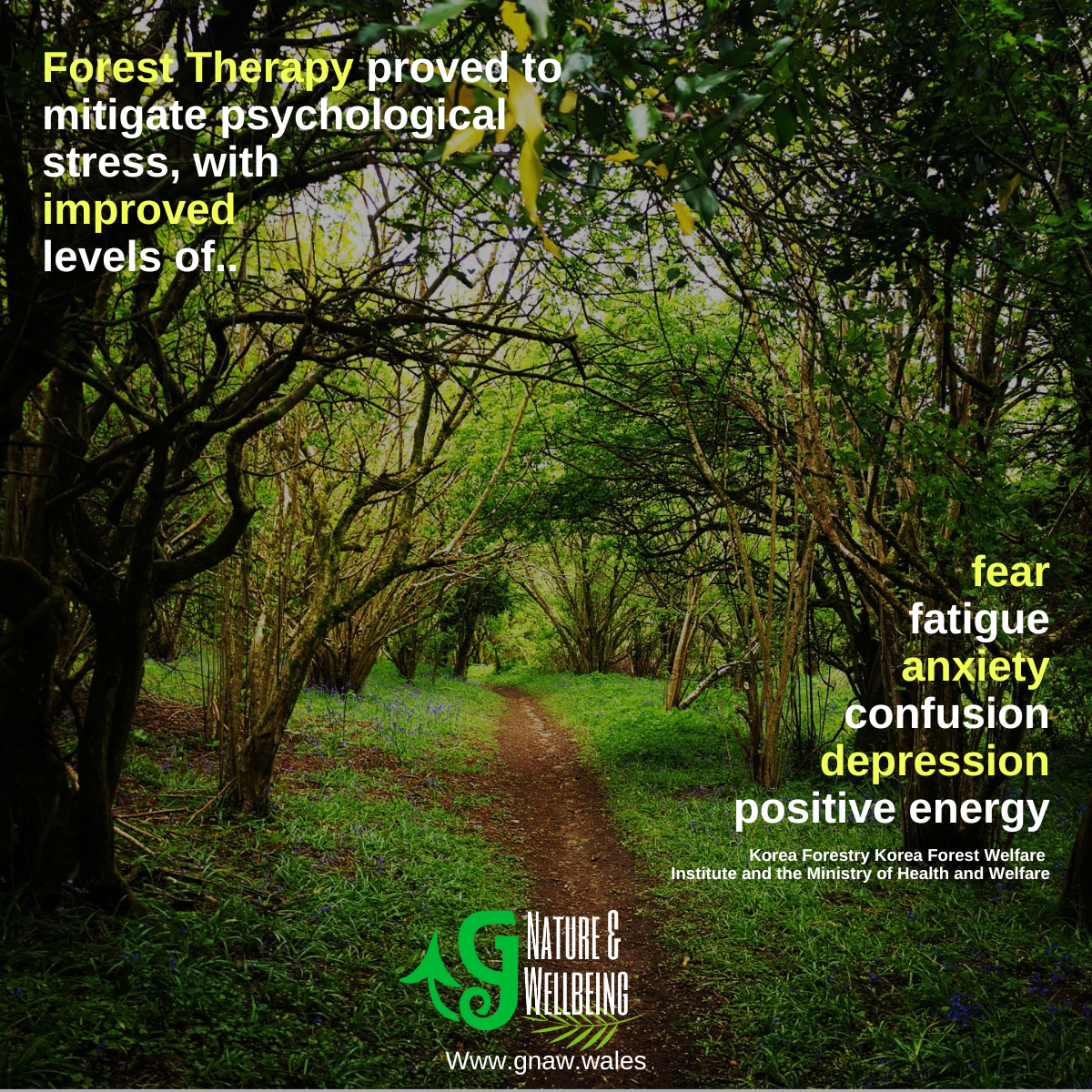
The Korea Forest Service, Korea Forest Welfare Institute & Ministry of Health and Welfare found that:
Forest Therapy proved to mitigate psychological stress in students, with improvements in:
🌳 fear
🌳 fatigue
🌳 anxiety
🌳 confusion
🌳 depression
🌳 positive energy
Over 9,800 students participated in 2021, with their average score falling from 54 to 20, indicating an improvement in mental health.
Health workers also spent a day or up to two nights in designated national forest parks, relieving their accumulated psychological stress by temporarily living off-the-grid.
Among health workers surveyed in 2021, overall average mental health scores improved by 14.2% following the programme.
Korea Forest Service, Korea Forest Welfare Institute & Ministry of Health and Welfare (2022)
https://www.koreatimes.co.kr/www/nation/2022/01/371_322070.html?RD
Forest Bathing & Immune Function – Professor Qing Li
Professor Qing Li and researchers at Nippon Medical School, Tokyo studied the effects of Forest Bathing on immune function.
Following a 3-day, 2-night forest bathing trip, they found:
🌳 Natural Killer (NK) cell activity increased by around 50%
🌳 The number of NK cells increased
🌳 Anti-cancer proteins involved in the body’s natural immune defence increased
🌳 Remarkably, NK cell activity remained significantly elevated 30 days later
Further controlled research found that exposure to phytoncides – natural compounds released by trees – increased NK cell activity, suggesting one possible mechanism behind the effect.
Li Q et al. (2007–2010)
Nippon Medical School, Tokyo
Environmental Health and Preventive Medicine